



When homeowners consider the primary threats to their property, their minds often jump to dramatic, catastrophic events. Raging fires, hurricane-force winds, and massive earthquakes capture our attention because they are violent, sudden, and immediately visible. However, from an actuarial and structural standpoint, these are not the most common enemies of your property. The most destructive, pervasive, and ultimately expensive force a homeowner will ever face is significantly quieter: it is water. Unlike a fire, water intrusion does not announce itself. It moves silently, utilizing the slow, relentless forces of gravity, capillary action, and hydrostatic pressure to dissolve, rot, and erode the structural integrity of a building over months or even years before making its presence fully known.
To effectively combat this threat, you must change how you view your property. You cannot view your house as a collection of separate, independent parts. Instead, you must understand the concept of the “building envelope.” The building envelope is the physical separator between the conditioned, dry interior of your living space and the chaotic, wet environment outside. It is a highly interconnected system. A microscopic failure at the absolute peak of your chimney can easily result in a catastrophic rotting of the framing down in your living room walls. Conversely, poor soil grading at the base of your foundation can pull moisture all the way up into your floor joists.
Because of this interconnected reality, protecting your largest financial asset requires a proactive, highly holistic strategy. You cannot afford to be reactive, waiting for a puddle to appear on your kitchen floor or a foul, musty odor to rise from the basement stairs. This comprehensive guide will walk you through exactly how to secure your home’s envelope, taking you step-by-step from the highest asphalt peak of the roofline all the way down to the subterranean concrete footings of your foundation.
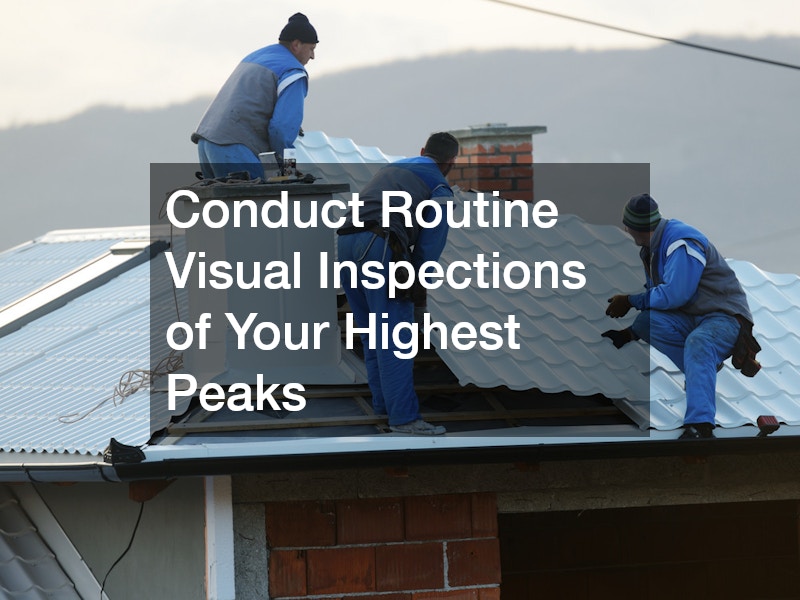
Conduct Routine Visual Inspections of Your Highest Peaks
The absolute highest point of your home takes the brunt of the environmental abuse. It is baked by intense ultraviolet radiation during the summer, battered by hail in the spring, and forced to carry thousands of pounds of freezing, expanding ice in the winter. Because it is out of sight, it is often out of mind. However, taking the time to conduct routine visual inspections allows you to catch minor vulnerabilities before they escalate into massive interior leaks.
Safely Spot Early Warning Signs of Shingle Degradation
You do not need to risk your physical safety by climbing a two-story ladder to perform a highly effective exterior inspection. The best tool for a homeowner is a simple pair of binoculars. On a clear day, stand across the street from your property and carefully scan the surface of the shingles, looking for the specific physical indicators of material degradation.
-
Curling and Cupping: As asphalt shingles age, the volatile oils that give them their flexibility begin to evaporate under the sun. This causes the edges of the shingles to curl upward or cup inward, creating an opening where wind-driven rain can easily penetrate beneath the surface.
-
Missing Granules: The sandpaper-like granules on top of a shingle are not just for color; they protect the asphalt layer from UV degradation. If you see large, bald, shiny black spots on your shingles, or if you notice a heavy accumulation of colored gravel at the bottom of your downspouts, the material’s primary defense system has failed.
-
Compromised Flashing: The vast majority of leaks do not occur in the middle of a continuous field of shingles. They happen at the penetrations. Pay incredibly close attention to the metal flashing surrounding chimneys, plumbing exhaust vents, and skylights. If the rubber boots around pipes are cracked, or the metal flashing is rusted or lifting, water will find its way inside.
Catching these minor, localized issues early allows a homeowner to pay for simple roof repairs rather than waiting for the decking to rot entirely, which leads to massive structural overhauls. Think of these routine visual checks and subsequent minor interventions as a cheap, highly effective insurance policy. Securing basic roofing services to replace a single cracked pipe boot or glue down a few lifting shingles might cost a couple of hundred dollars today, but it actively prevents ten thousand dollars’ worth of drywall and insulation damage tomorrow.
Clear Gutters to Prevent Ice Dams and Pooling Water
Your gutters are the critical circulatory system of your home’s exterior defense. Their sole purpose is to catch the thousands of gallons of water shedding off the slope and safely transport it far away from the fascia boards and foundation. When gutters are ignored, they quickly become choked with decaying leaves, pine needles, and asphalt granules.
-
The Threat of Fascia Rot: When a gutter is clogged, the water has nowhere to go but up and over the sides. As it backs up, it seeps behind the aluminum gutter housing and directly into the wooden fascia boards and soffits. Over a single wet season, this can cause profound wood rot, giving termites and carpenter ants a perfect, damp entry point into your attic framing.
-
The Winter Ice Dam: In colder climates, a clogged gutter is the primary catalyst for an ice dam. When melting snow runs down the warm surface of the structure and hits the freezing, clogged metal gutter, it immediately turns to solid ice. This block of ice forces subsequent melting snow to pool backward, eventually pushing up underneath the shingles and leaking directly into the exterior walls of the house.
To prevent this, you must commit to a strict maintenance schedule. Gutters must be thoroughly cleaned out at least twice a year: once in late fall after the majority of the foliage has dropped, and once in late spring to clear out the pollen strings, seed pods, and twigs dropped by nesting birds.
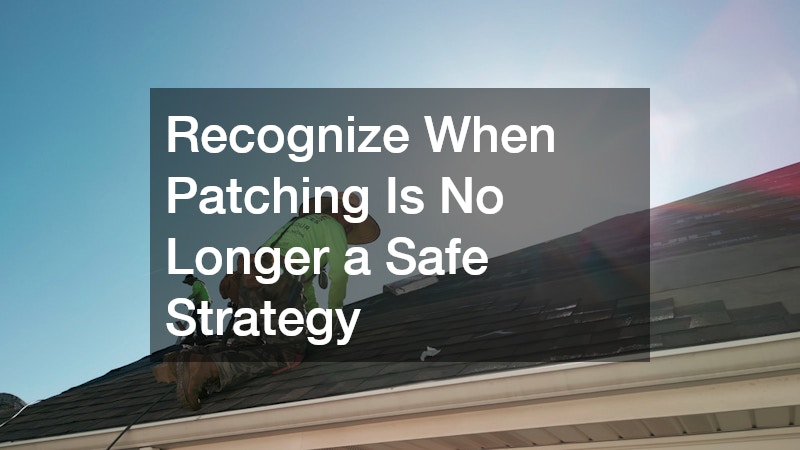
Recognize When Patching Is No Longer a Safe Strategy
While proactive maintenance can significantly extend the lifespan of your exterior materials, nothing lasts forever. Asphalt dries out, metal rusts, and plywood delaminates. There comes a distinct point in the lifecycle of every building where attempting to patch over a problem becomes a dangerous gamble rather than a cost-saving measure. Knowing how to identify structural failure is crucial for protecting the interior of your property.
Assess Structural Sagging and Persistent Moisture Intrusions
To truly understand the health of the top of your house, you must eventually go inside and inspect the underside of the decking. The attic is the diagnostic center of the building envelope. Pick a bright, sunny afternoon, grab a heavy-duty flashlight, and carefully navigate your attic space.
-
Look for Starlight in the Daytime: Turn off your flashlight and let your eyes adjust to the darkness. Look up at the wooden decking. If you see any small pinpricks or shafts of daylight shining through the wood, you have an active, open breach. Even a hole the size of a ballpoint pen can let in enough wind-driven rain to destroy ceiling drywall.
-
Check for Spongy Decking and Dark Stains: Turn your flashlight back on and examine the plywood or OSB boards between the rafters. If the wood is heavily stained with dark, black, or brown water marks, or if the wood appears swollen, delaminated, and spongy, it has lost its structural load-bearing capacity.
-
Observe the Ridgeline: Step outside and look at the very top ridge of your house from a distance. It should be perfectly straight and level. If the ridgeline sags or dips in the middle like a swaybacked horse, the underlying trusses or rafters have either been compromised by long-term moisture rot or they are bowing under the excessive weight of multiple layers of old materials.
Upgrade to Weather-Resistant, Modern Materials
When you discover widespread decking failure, pervasive moisture intrusion, or severe structural sagging, patching is no longer an option. If the wooden foundation holding the shingles is rotting, putting new shingles over the top is like putting a fresh coat of paint on a crumbling wall.
In these severe scenarios, comprehensive roof replacement services are strictly required. This is an entirely different scale of project than a simple patch. Modern roof installations require tearing off all the old materials down to the bare wooden skeleton of the house. Any rotted plywood must be cut out and replaced. Then, a highly advanced synthetic underlayment and specialized ice-and-water shielding membranes are applied directly to the wood to ensure a perfect, watertight seal before the new final layer is ever nailed down.
When facing a full replacement, you should strongly consider upgrading to modern, weather-resistant materials. Standard three-tab asphalt shingles are economical, but they lack the durability needed for extreme weather. Upgrading to architectural shingles provides a thicker, multi-dimensional barrier that can withstand significantly higher wind shear. Alternatively, investing in standing seam metal panels or impact-resistant composite materials might have a higher upfront cost, but they offer decades of maintenance-free protection, better energy efficiency by reflecting solar heat, and often result in significant discounts on your homeowner’s insurance premiums.

Vet and Hire the Right Exterior Experts for the Job
Identifying the vulnerabilities in your home’s exterior is only the first part of the battle. The second, and arguably more difficult, phase is finding the right human beings to execute the complex, high-stakes labor required to fix it. The construction industry is vast, and unfortunately, the barrier to entry for claiming to be a contractor is incredibly low in many regions. Hiring the wrong crew can leave you with voided warranties, property damage, and massive financial liability.
Verify Licensing, Insurance, and Workmanship Warranties
When you are inviting a crew to climb onto your property, tear off thousands of pounds of materials, and utilize heavy machinery, handshakes and verbal promises are entirely insufficient. You must rigorously vet every candidate through a strict, uncompromising bureaucratic lens.
-
Demand Proof of Comprehensive Insurance: A legitimate professional will carry two distinct types of insurance. The first is General Liability Insurance, which pays for damage to your actual property (e.g., if a worker accidentally drops a bundle of materials through your living room window). The second, and most critical, is Workers’ Compensation Insurance. If a worker falls off a ladder on your property and the company does not carry this insurance, you, as the homeowner, can be held personally and financially liable for their medical bills and lost wages. Always demand physical copies of these certificates and call the issuing agency to verify they are active.
-
Understand the Two Types of Warranties: A high-quality project should come with two separate warranties. The manufacturer’s warranty covers the physical materials against factory defects. However, the manufacturer will void this warranty if the materials are installed incorrectly. Therefore, you must also secure a workmanship warranty from the crew performing the labor, legally binding them to return and fix any leaks caused by their installation errors.
To ensure accountability, independent roofing contractors should always be vetted through your state’s licensing board to confirm they have no outstanding judgments or severe disciplinary actions against them. There are distinct, undeniable advantages to hiring a local roofing company that understands the specific regional weather challenges, municipal building codes, and permit requirements of your exact city.
Prioritize Community Ties and Established Track Records
The exterior remodeling industry is notoriously plagued by “storm chasers.” These are highly aggressive, transient sales crews that follow massive hail storms or hurricanes across the country. They show up unannounced, knock on doors, and use high-pressure tactics, promising to waive insurance deductibles or offer impossibly cheap cash deals. Once they collect the insurance checks and slap on the cheapest possible materials, they leave the state. When the leaks start six months later, their phone numbers are disconnected.
-
Look for a Physical Footprint: A trustworthy business will have a physical office address in your community, not just a P.O. Box or a decal on the side of a pickup truck. You want to know exactly where to go if a dispute arises.
-
Rely on Neighborhood Referrals: Do not rely solely on curated online reviews, which can sometimes be manipulated. Walk around your neighborhood and look for houses that have recently had major exterior work completed. Knock on your neighbors’ doors and ask them about their direct, unfiltered experience with the crew’s communication, punctuality, and cleanliness.

Navigate Industry Standards and Manage the Project Contract
Once you have found a trustworthy expert with a solid reputation, you must formalize the relationship. The contract is the ultimate shield protecting your finances, your timeline, and your property. A vague, one-page estimate is a massive red flag. You must know exactly how to manage the paperwork and enforce industry standards before you ever hand over a deposit check.
Demand Itemized Estimates and Transparent Timelines
Never accept a single-lump-sum bid that just says, “Fix entire exterior – $15,000.” A lump-sum bid gives the contractor total freedom to cut corners on the unseen elements of the job to pad their profit margins. You must empower yourself to demand microscopic transparency regarding where every single dollar is going.
-
The Breakdown of Costs: A proper, professional estimate must explicitly break down the exact costs. It should have separate line items for tear-off labor, the specific brand and grade of synthetic underlayment, the linear footage of ice and water shield, the cost of custom metal drip edges, the price of ridge ventilation upgrades, and the exact fees for dumpster rental and landfill disposal.
-
Payment Schedules: Never pay the full amount of a major structural project upfront. A standard, ethical payment schedule usually involves a deposit (often one-third of the total) to secure a spot on the schedule and order materials, a second payment when the materials arrive and work begins, and a final payment only after the job is completely finished, inspected, and all debris is removed.
Reputable roofing businesses will put every single detail, including the specific brand names of the sealants and fasteners they intend to use, in writing before ever asking a homeowner to accept the terms. To ensure you are not being dramatically overcharged, always compare quotes from at least three different roofing companies to guarantee the pricing accurately aligns with fair, competitive local market rates.
Look for Safety Protocols and Debris Removal Plans
Tearing off an old exterior is a violent, incredibly messy process. Tens of thousands of rusty nails, heavy staples, sharp metal flashing, and jagged fiberglass will be raining down around the perimeter of your house. If the contract does not explicitly detail how the crew plans to manage this chaos, your property will suffer.
-
Protecting Landscaping and Assets: Instruct the contractor to explain their protection protocols. They should commit in writing to placing heavy wooden sheets over your fragile air conditioning condenser units, draping heavy tarps over your rosebushes and delicate landscaping, and utilizing specialized dump trailers with rubber tires that will not crack your concrete driveway.
-
The Magnetic Sweep: The most dangerous remnants of a tear-off project are the hidden nails left in the grass. A stray nail can easily puncture a car tire or cause a severe injury to a child or pet. Ensure the contract explicitly states that the crew will perform multiple sweeps of the entire yard with heavy-duty, industrial magnetic rollers to collect all metallic debris before they consider the job complete.

Secure Your Foundation and Eliminate Subterranean Moisture
If you successfully execute the steps above, you will have established an impenetrable shield against rain, snow, and overhead weather. However, a home is a complete system. Defending the top of the house is entirely useless if the very foundation holding it up is silently deteriorating from below. Groundwater pressure is relentless, and managing subterranean moisture requires a completely different set of diagnostic skills and mechanical solutions.
Identify Early Indicators of Foundation Seepage
Unlike a sudden drip from a ceiling, foundation seepage often manifests through slow, subtle, and highly destructive chemical reactions. Because basements and crawlspaces are inherently dark, humid environments, you must actively hunt for the early indicators of moisture intrusion.
-
Spotting Efflorescence: If you look at your bare concrete block walls and notice a chalky, white, powdery substance blooming on the surface, you are witnessing efflorescence. This is not mold; it is a mineral deposit. It occurs when groundwater pushes its way completely through the porous concrete. As the water evaporates on the interior side of the wall, it leaves its salt and mineral contents behind. Efflorescence is definitive proof that water is actively traveling through your foundation.
-
Musty Odors and High Humidity: Water does not have to form a standing puddle to be destructive. If your basement permanently smells earthy, musty, or damp, or if cardboard boxes stored on the floor become limp and soggy over time, you have severe water vapor transmission. This invisible moisture creates the perfect breeding ground for toxic black mold, which can quickly spread into the HVAC system and circulate throughout the entire home.
-
Horizontal Cracking: Vertical cracks in a foundation are often the result of normal settling. However, if you see horizontal cracks running along the middle of a concrete block wall, or if the wall appears to be bowing slightly inward, this is an extreme emergency. It indicates that the hydrostatic pressure from the saturated, heavy soil outside is literally crushing the structural integrity of the foundation inward.
Invest in Comprehensive Drainage and Sealing Solutions
When dealing with the immense weight and pressure of subterranean groundwater, a bucket of waterproof paint from the hardware store is a woefully inadequate solution. Painting over a weeping concrete wall only traps the moisture inside the block, accelerating its deterioration. You need to implement active mechanical systems to redirect the water away from the structure.
Just as the top of the house requires highly trained specialists, defending the bottom requires partnering with a dedicated local waterproofing company. These professionals understand the specific soil composition, water table depth, and freeze-thaw cycles of your geographical area, allowing them to design a customized drainage solution.
Professional basement waterproofing services actively redirect hydrostatic pressure away from the foundation rather than just trying to block it. Depending on the severity of the intrusion, this might involve an exterior excavation, where a trench is dug down to the footings to install a perforated French drain and a heavy-duty, dimpled exterior waterproof membrane. Alternatively, if exterior excavation is impossible, they can implement an interior water management system. This involves jackhammering the perimeter of the interior basement floor, installing an internal drainage channel, covering the walls in a vapor barrier, and funneling all incoming water directly into a high-capacity sump pump basin, which safely ejects the water far away from the home. By actively managing this water pressure, you prevent toxic mold growth, protect your stored belongings, and permanently preserve the home’s subterranean structural integrity.
Conclusion
Securing your property against the relentless forces of nature is an ongoing, two-front battle. It requires vigilance, a proactive mindset, and a deep understanding that the various components of your house do not operate in isolation. Defending against overhead weather is ultimately a futile endeavor if the very foundation supporting the structure is silently rotting away from the pressure of groundwater.
You must transition from a passive occupant who simply reacts to emergencies into an active manager of your property’s overall health. Do not wait for a severe, multi-day storm to test the physical limits of your roof, nor should you wait for a rapid spring thaw to discover that your basement drainage system has failed. Take the time now, while the weather is calm and the skies are clear, to perform your visual inspections, review your maintenance schedules, and consult with vetted exterior experts. By investing in the absolute integrity of your building envelope from the highest architectural shingle down to the deepest concrete footing, you guarantee that your home will remain a safe, dry, and secure sanctuary for decades to come.