


A sudden shift in an animal’s behavior, physical condition, or daily routine can happen without warning. Whether you share your home with a domestic pet, manage a barn full of equine athletes, or oversee livestock, knowing exactly how to reach the right medical team during a health crisis is paramount. When every second counts, spending precious minutes hunting down verified customer service numbers, after-hours answering lines, or correct extension routing can lead to unnecessary delays and added stress.
Maintaining an organized, pre-verified directory of animal health contacts is one of the most effective ways to protect the well-being of your animals. Understanding how customer support systems work within medical facilities—from small neighborhood outpatient practices to sprawling 24-hour regional trauma centers—allows you to communicate clearly, book appointments efficiently, and get immediate guidance when an emergency arises. This guide walks you through building an accessible contact matrix, navigating intake phone trees, reaching emergency triage, and securing expert care for both small and large animals.
Setting Up a Fast-Access Support Directory for Immediate Reach
Creating an effective animal health contact matrix involves more than simply saving a single phone number in your mobile contacts. Animal medical care operates across a wide network of specialized practices, mobile units, and regional referral hubs. Organizing your emergency contacts into clear categories ensures that anyone in your household or farm staff can connect with the appropriate support staff instantly.
Structuring Your Contact Matrix
An effective support matrix should include primary care providers, after-hours emergency facilities, poison control hotlines, and mobile field services. Maintaining both digital and physical copies ensures access even during power outages or cellular network disruptions.
-
Primary Outpatient Facility: Save the main reception number, direct prescription refill lines, and online booking portal links for your regular daytime facility.
-
Regional Specialty and Trauma Centers: Store the direct phone numbers and physical addresses of 24-hour specialty facilities equipped with intensive care units and advanced diagnostic tools.
-
Emergency Poison Hotlines: Include nationally recognized poison control numbers, such as the ASPCA Animal Poison Control Center (888-426-4435), which offer 24/7 toxicological guidance.
-
Mobile and Ambulatory Services: Keep direct cell phone numbers for field practitioners who provide on-site care for livestock or large animals.
When seeking general preventative care or routine health screenings for your pets, contacting a trusted local vet clinic offers a reliable first point of contact for non-urgent medical inquiries and seasonal wellness guidance.
Distinguishing Between Facility Capabilities
Understanding the operational scope of different facilities prevents valuable time from being lost during a medical crisis. Outpatient facilities typically focus on preventative care, minor illness diagnostics, and elective surgeries during standard business hours. Conversely, a comprehensive animal care center often features dedicated surgical suites, advanced diagnostic imaging, and round-the-clock nursing staff ready to handle acute medical trauma and complex organ system failures.
Optimizing Phone and Online Booking Processes for Non-Urgent Care
Scheduling routine wellness exams, booster vaccinations, and follow-up checks should be a seamless process. However, calling during peak administrative hours often results in long hold times or automated routing loops. Understanding how veterinary front desks manage incoming call volume can help you secure optimal appointment times without frustration.
Best Practices for Contacting Administrative Desks
Veterinary reception teams face high call volumes during morning opening hours as owners call in overnight emergencies or schedule same-day sick visits. Strategic timing makes administrative calls far smoother.
-
Avoid Peak Triage Hours: Place routine administrative calls between 10:30 AM and 2:00 PM, when morning intake rushes have slowed and afternoon discharges have not yet begun.
-
Have Information Prepared: Before dialing, gather your animal’s current weight, microchip number, current medication dosages, and previous vaccination history.
-
Use Online Patient Portals: Many modern practices offer direct scheduling portals where you can select available time slots without waiting on hold.
-
Combine Household Appointments: If you have multiple animals requiring annual checkups, request back-to-back appointment blocks to minimize travel and administrative overhead.
When scheduling routine checkups, dental cleanings, or elective procedures, calling the main desk to book your animal hospital appointments ensures your pet secures a dedicated time slot with their regular medical team.
Communicating Specific Medical Needs
When speaking with administrative staff, clearly articulate the reason for your visit. Providing specific details helps the receptionist allocate appropriate appointment lengths. For instance, a basic vaccine booster might only require a fifteen-minute slot, whereas an evaluation for sudden weight loss or mobility issues requires an extended consultation.
Expressing preferences for a specific medical provider is also routine. Requesting a consultation with your preferred animal doctor maintains continuity of care, allowing a practitioner familiar with your pet’s baseline health to track subtle physical or behavioral changes over time.
Navigating Critical Hotlines and Triage Lines During Medical Crises
During a sudden medical emergency, rapid phone triage can mean the difference between successful stabilization and life-threatening complications. Knowing how to communicate vital signs clearly to emergency phone staff enables the medical team to prepare trauma bays before your vehicle even arrives on site.
Effective Communication During Emergency Calls
When an acute injury or severe illness occurs, remaining calm and delivering concise information to the intake staff allows them to assess the urgency of the situation immediately.
-
State the Emergency First: Immediately inform the handler that you have a critical situation (e.g., “I have a dog showing signs of gastric bloat” or “My pet was hit by a car”).
-
Report Baseline Vital Signs: If safe to do so, check and report gum color (pink, pale, blue, or muddy red), breathing rate, pulse quality, and mental responsiveness.
-
Estimate Arrival Time: Provide a realistic estimated time of arrival so the trauma team can prepare oxygen lines, intravenous catheters, and stabilization drugs.
-
Follow Dispatch Instructions: Listen carefully to pre-arrival instructions, such as how to safely move a spinal trauma victim or apply pressure to a bleeding wound.
Reaching a dedicated emergency vet service ensures you are connected directly with trained triage professionals who can guide you through immediate first-aid steps while you prepare transport.
Finding 24-Hour Trauma Facilities
Not all veterinary practices operate around the clock. If your primary facility closes in the evening, your emergency call should route automatically to an after-hours answering service or a regional referral network.
Transporting a critically ill patient directly to an open, fully staffed animal hospital guarantees that board-certified surgeons, critical care specialists, and continuous diagnostic monitoring systems are available the moment you pass through the doors.
Establishing Direct Communication Channels for Mobile and Farm Care
Managing large animals, equine facilities, or rural livestock introduces unique communication challenges. Because transporting a multi-hundred-pound animal to a static facility is not always feasible or safe, establishing direct communication channels with mobile and ambulatory providers is critical.
Managing Equine and Farm Emergencies
Equine and livestock emergencies frequently require on-site field visits. Maintaining a clear line of communication with field practitioners allows them to route their mobile units efficiently across wide geographical service territories.
-
Share Precise Location Data: Provide pin drops or GPS coordinates for farm entrances, especially on large rural acreage where physical street addresses may be imprecise.
-
Prepare the Assessment Area: While awaiting the mobile unit, secure the animal in a well-lit, dry area free of mud, wind, or debris to allow for safe examination.
-
Keep Barn Directories Updated: Post an laminated emergency call list inside main barn aisles, including primary field vets, secondary backup practices, and haul-in facility numbers.
-
Designate a Site Contact: Ensure that the person meeting the mobile practitioner has full authority to make medical decisions and approve emergency treatments.
Recognizing early signs of abdominal pain in horses is essential, as securing rapid field intervention or referral for specialized horse colic treatment dramatically improves clinical outcomes and survival rates.
Facility Infrastructure and Shelter Management
Managing large animals safely extends beyond medical contact lists; it also involves maintaining proper housing infrastructure. Weather extremes, severe wind, and intense sun can cause heat stress or respiratory issues in livestock. Protecting animals from environmental hazards by housing them in sturdy, climate-appropriate custom covered horse structures helps maintain baseline physical health, reducing the frequency of stress-induced medical emergencies.
Overcoming Call Wait Times and Managing Provider Availability
The veterinary healthcare sector experiences seasonal volume shifts, emergency surges, and shifting staffing dynamics. Understanding how these factors impact facility response times helps pet and livestock owners navigate call queues more effectively and secure timely care.
Spring and summer months frequently bring a surge in patient admissions due to increased outdoor activity, higher risks of heatstroke, insect and snake bites, parasite surges, and trauma from outdoor accidents. Conversely, winter weather can create travel hazards for mobile large-animal practitioners and lead to spikes in cold-weather conditions or metabolic issues in livestock. Understanding these natural patterns allows owners to anticipate potential delays during peak seasons and plan routine wellness visits during traditionally quieter periods.
Furthermore, emergency facilities often operate on a dynamic triage model—similar to human emergency rooms—where patients are prioritized based on medical severity rather than arrival time or call order. Recognizing that an incoming life-threatening trauma case will naturally redirect medical personnel away from non-critical inquiries helps owners maintain realistic expectations when waiting on phone lines or in reception areas. By staying informed about how administrative queues and clinical workflows operate, owners can approach communications with patience, clarity, and the strategic foresight needed to get their animals care efficiently.
Understanding Industry Staffing Realities
Veterinary facilities occasionally adjust their operating hours or temporarily divert emergency admissions due to staffing limitations. Many clinics utilize specialized veterinary relief staffing professionals to fill temporary coverage gaps, ensuring that clinical standards remain high and emergency services stay operational during peak demand periods.
To navigate potential availability changes smoothly, keep the following strategies in mind:
-
Verify Operating Hours Periodically: Check facility websites or directory listings quarterly to confirm that after-hours protocols or main desk phone numbers have not changed.
-
Establish Relationships with Multiple Practices: Maintain active client records at both a primary neighborhood practice and a secondary backup clinic to broaden your options during busy seasons.
-
Utilize Telehealth and Triage Portals: Many practices now offer nurse-led chat features or telehealth video calls for minor non-emergency concerns, freeing up phone lines for acute cases.
-
Request Medication Refills Early: Place prescription refill requests at least 48 to 72 hours in advance to give staff ample time to review and fill orders without emergency rush fees.
Working closely with a licensed, experienced professional veterinarian ensures that your animal’s preventative health schedules, diagnostic lab work, and medical records stay up to date, making administrative communication seamless whenever care is needed. Having a well-documented medical history on file allows intake staff and emergency specialists to quickly review past treatments, known allergies, and baseline vitals. This eliminates redundant diagnostic steps, speeds up decision-making during urgent triage, and ensures your animal receives personalized care tailored to their specific medical background.
Building a Safe and Responsive Animal Care Network
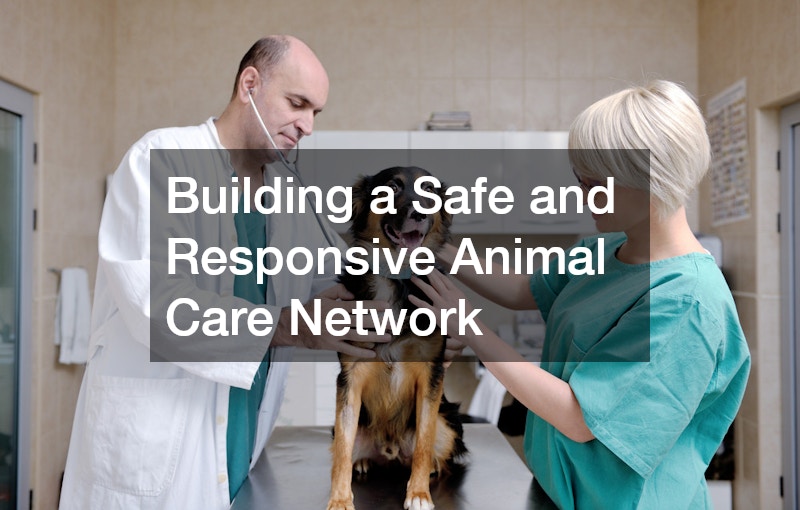
Establishing an efficient, well-organized directory of animal health providers is one of the most proactive steps you can take as a responsible pet owner, farm manager, or livestock handler. By organizing primary care contacts, after-hours emergency lines, mobile ambulatory services, and poison control hotlines into a single, accessible system, you remove guesswork during high-stress situations.
Clear communication, strategic call timing, and a basic understanding of facility operations empower you to navigate phone trees and intake protocols with confidence. Whether you are scheduling a routine wellness consultation or coordinating urgent field care, having verified contact numbers at your fingertips ensures your animals receive swift, compassionate, and expert medical attention whenever they need it.
Beyond personal convenience, a centralized animal health directory acts as a crucial safety bridge for family members, barn hands, and pet sitters. When an unexpected medical event occurs while you are away, anyone caring for your animals can step in seamlessly, using verified procedures and contacts without losing precious time.
Additionally, making a habit of auditing your directory twice a year allows you to catch updated clinic hours, new after-hours divert protocols, or changed emergency locations before a real crisis happens. Investing a small amount of time today to organize your communication network pays off in faster response times, reduced anxiety, and better long-term health outcomes for every animal under your care.