



I. Introduction
Our relationship with our living spaces has undergone a profound transformation over the last decade. Homes are no longer merely functional structures where we sleep, eat, and occasionally entertain. They have evolved into highly personalized sanctuaries, dynamic workspaces, and central hubs for our physical and mental well-being. This shift in how we utilize our environments has sparked a massive evolution in residential architecture and interior design. The era of accepting cookie-cutter, builder-grade interiors is rapidly fading. Today, homeowners are prioritizing hyper-customized spaces that are meticulously engineered to support their daily habits, reflect their personal aesthetics, and provide long-term comfort.
Upgrading your space is no longer just about chasing the latest visual aesthetics or picking a trendy paint color; it is about intentionally designing environments that reduce daily friction and elevate your everyday routines. Think about the frustration of rummaging through a disorganized pantry, the stress of a cramped and poorly lit vanity in the morning, or the exhaustion of trying to cook an intricate meal in a layout that fights your every move. Customizing your most heavily trafficked areas solves these fundamental issues, replacing chaotic mornings and stressful evenings with streamlined, enjoyable experiences.
This comprehensive guide will dive deep into the most current, impactful trends across the three most crucial areas of any residence: the culinary space, the personal oasis, and the storage zones. By focusing on these core areas, you can dramatically alter the entire feel and functionality of your property. You will learn how to optimize layouts for modern living, choose durable materials that require minimal upkeep, integrate invisible technology, and establish a cohesive design language that flows seamlessly from room to room. Whether you are planning a massive overhaul or a targeted upgrade, this roadmap will provide you with the actionable insights needed to plan a cohesive, intelligent, and highly personalized transformation.
II. The Heart of the Home: Modernizing Your Culinary Space
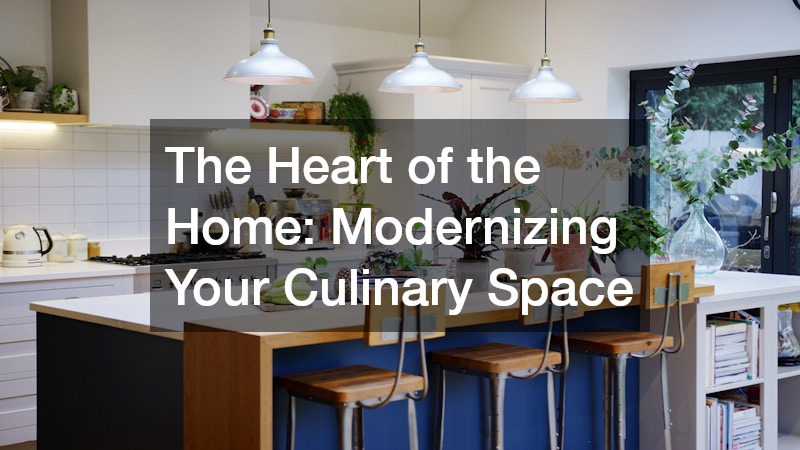
The culinary space has officially shed its purely utilitarian roots to become the absolute epicenter of domestic life. It is where meals are prepared, homework is completed, guests congregate, and late-night conversations happen. Because it serves so many simultaneous functions, customization here must strike a perfect balance between heavy-duty performance and inviting hospitality.
Optimize Your Layout for Both Cooking and Entertaining
For decades, the standard for spatial planning was the classic “work triangle”—the geometric relationship between the sink, the stove, and the refrigerator. While this concept was highly effective for single-cook households in the mid-twentieth century, modern living requires a more nuanced approach. We are now seeing a definitive shift toward designing “work zones” rather than strict triangles. This evolutionary approach divides the room into distinct, specialized areas that can accommodate multiple people working simultaneously without crossing paths or bumping elbows.
-
The Prep Zone: This area requires ample, uninterrupted counter space, easy access to cutting boards and knives, and ideally, a secondary prep sink. It should be situated near the refrigerator for easy ingredient gathering.
-
The Cooking Zone: Centered around the range or cooktop, this zone needs immediate access to pots, pans, cooking utensils, and spices. Heat-resistant landing zones on either side of the stove are non-negotiable.
-
The Cleaning Zone: Housing the main sink, dishwasher, and pull-out trash receptacles, this area should be slightly separated from the prep and cooking zones so that someone can clean up while another person cooks.
-
The Baking Zone: Often tucked away from the main traffic flow, this specialized area might feature a lowered counter height for kneading dough, pop-up mixer stands, and dedicated storage for flours, sugars, and measuring tools.
Beyond zoning, concealing visual clutter has become a massive priority. Minimalist aesthetics are heavily favored, which means the days of lining up blenders, toasters, and coffee makers on the counter are over. Homeowners are increasingly installing “appliance garages”—specialized compartments that sit on the counter but feature pocket doors or tambour roll-ups to hide small appliances while keeping them plugged in and ready to use. Furthermore, the “hidden pantry” or scullery has become a highly sought-after feature. By masking a walk-in pantry behind doors that look exactly like standard tall cabinetry, the main room remains immaculate while all the heavy lifting (and mess) is hidden away.
Because redefining these zones and integrating hidden spaces often requires significant structural changes, consulting with professional kitchen remodeling services early in the planning phase is highly recommended. These experts can help assess structural constraints, such as identifying load-bearing walls or determining the feasibility of rerouting plumbing lines, ensuring your dream layout is actually structurally viable before demolition begins.
Integrate Smart Technology Without Sacrificing Aesthetics
The integration of technology into the culinary space is no longer about flashy, space-age gadgets that look out of place. The modern trend is all about “invisible tech”—innovations that vastly improve functionality but remain visually subtle or entirely hidden.
-
Induction Cooking: Induction cooktops have surged in popularity, replacing clunky gas grates with sleek, flat glass surfaces that heat pots magnetically. Some cutting-edge systems even integrate the induction elements directly underneath a specialized porcelain countertop, making the cooking surface completely invisible when not in use.
-
Panel-Ready Appliances: Refrigerators and dishwashers that accept custom-made panels are essential for a customized, high-end look. This allows the appliances to blend seamlessly into the surrounding woodwork, preventing large expanses of stainless steel from breaking up the visual flow.
-
Integrated Lighting and Power: Bulky power strips and visible under-cabinet lighting wires are being replaced by integrated LED channels routed directly into the wood, and pop-up outlets that sit flush with the counter until pressed.
When it comes to the woodwork itself, current cabinet design heavily favors clean, uninterrupted lines. The ornate, heavily glazed raised-panel doors of the early 2000s have been entirely replaced by sleek slab doors or slim-shaker profiles. These streamlined styles not only look distinctly modern but are inherently easier to wipe down and keep clean. The focus has shifted from decorative carvings to the quality of the wood grain, the richness of the finish, and the integration of highly functional internal hardware like pull-out corner systems and tiered cutlery dividers.
III. Maximizing Impact with Surfaces and Finishes
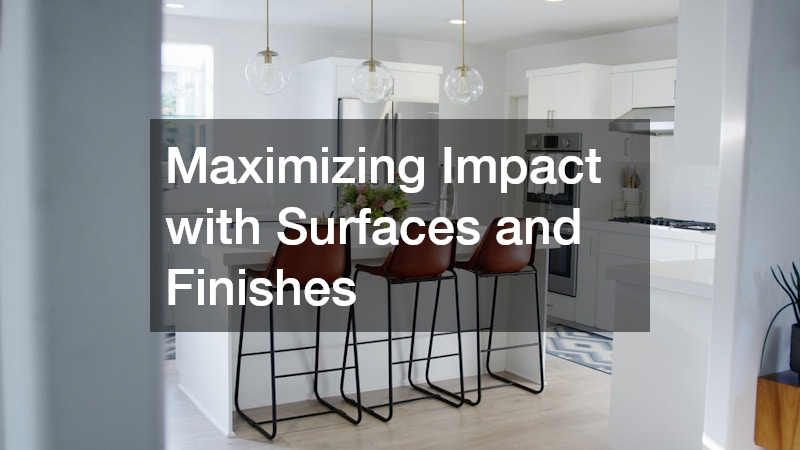
If the layout is the skeleton of the room, the surfaces and finishes are the skin. The materials you choose dictate not only the immediate visual impact but also the long-term maintenance requirements of the space. The prevailing trend across all high-traffic areas is the pursuit of uncompromising durability paired with high-end, natural aesthetics.
Choose Durable, Low-Maintenance Materials for High-Traffic Zones
Natural stones like marble have historically been the gold standard for luxury countertops. However, the modern homeowner is increasingly pragmatic, recognizing that the porous nature of marble makes it highly susceptible to etching from acidic foods (like lemons and tomatoes) and staining from spills (like red wine). Consequently, there has been a massive shift toward engineered surfaces that offer the beauty of natural stone without the associated anxiety.
-
Sintered Stone and Ultra-Compact Surfaces: Materials like Dekton and Neolith are created by subjecting natural minerals to extreme heat and pressure, essentially mimicking the way natural stone is formed but in a fraction of the time. The result is a surface that is virtually indestructible. It is entirely non-porous, highly resistant to scratching, and can withstand direct heat—meaning you can place a hot pan directly on the surface without fear of thermal shock or scorching.
-
High-Quality Quartz: While not completely heat-proof like sintered stone, quartz remains incredibly popular due to its vast array of colors and remarkably realistic veining patterns. It requires zero sealing and is highly resistant to bacterial growth.
-
Slab Backsplashes: One of the most visually striking trends is ditching traditional tile backsplashes entirely. Instead, designers are taking the same slab material used for the countertops and running it continuously up the wall. This creates a breathtaking, seamless transition that visually expands the space. More importantly, it eliminates grout lines entirely, wiping away the most frustrating cleaning task in the room.
Executing these highly precise, large-scale stone installations leaves absolutely no room for error. Utilizing specialized countertop services is crucial for this phase of customization. These technicians use sophisticated laser templating technology to measure the space with millimeter precision. This ensures that complex cuts, waterfall edges (where the stone cascades down the side of the cabinetry to the floor), and intricate sink cutouts align perfectly, preventing costly mistakes and material waste.
Revitalize Existing Woodwork to Stretch Your Budget
A full gut renovation is not the only path to a highly customized space. In many older homes, the existing structural boxes holding the drawers and shelves are built from incredibly sturdy, high-quality plywood that far exceeds the quality of modern, mass-produced particleboard. If the underlying structure is sound and the current layout is generally functional, destroying them is often an unnecessary waste of both money and materials.
Revitalizing existing woodwork is a highly strategic, eco-friendly alternative that can free up thousands of dollars in the budget—money that can be reallocated toward premium luxury hardware, designer lighting fixtures, or top-tier appliances. When deciding how to handle existing woodwork, homeowners generally have two options:
-
Painting: This is the most cost-effective route, but it comes with caveats. Simply rolling on standard latex paint over old wood often leads to peeling, chipping, and visible brush strokes.
-
Professional Refinishing: For a truly custom, factory-grade finish, hiring a reputable cabinet restoring service is the superior choice. These specialists do not simply paint over the old surface. They remove all doors and drawer fronts, heavily degrease and sand the boxes, repair any scratches or dents, and apply specialized, catalyzed conversion varnishes using professional spray equipment. This results in a flawless, highly durable finish that looks and feels brand new, completely transforming the aesthetic of the room for a fraction of the cost of total replacement.
IV. Creating a Spa-Like Oasis at Home
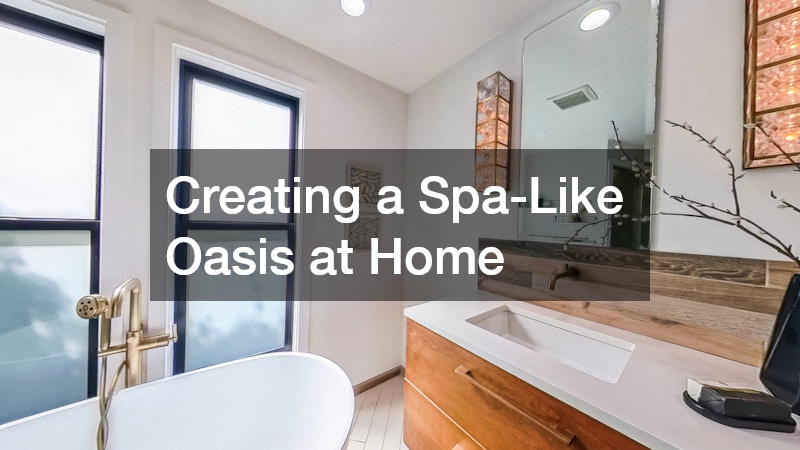
The primary bathroom has transitioned from a purely functional washroom into a dedicated wellness retreat. In our increasingly hyper-connected, fast-paced world, the bathroom often represents the only true sanctuary for uninterrupted solitude. Consequently, customization trends in this space are heavily focused on sensory experiences, creating environments that mimic the serenity and luxury of high-end commercial spas.
Install Large-Format Tiles to Minimize Grout and Elevate the Look
One of the most dramatic shifts in wet-room design is the rapid move away from small, intricate mosaic tiles (except as occasional accents) toward massive, large-format porcelain slabs.
-
The Power of Visual Expansion: Utilizing tiles that measure 24×48 inches, or even massive 48×48 inch slabs, on both the floors and the shower walls plays a brilliant psychological trick on the eye. Because there are fewer visual interruptions (grout lines), the brain perceives the continuous surface as a much larger, more expansive area. This is an incredibly effective technique for making modest-sized bathrooms feel grand and luxurious.
-
The End of the Grout Scrub: From a practical standpoint, the benefits are undeniable. Grout is inherently porous, making it a magnet for moisture, soap scum, discoloration, and mold. By utilizing large-format tiles, you drastically reduce the total square footage of grout in the room. When paired with high-quality, epoxy-based grouts that resist staining, the maintenance required to keep the shower looking pristine drops to near zero.
However, installing these massive, heavy, and rigid materials is an exact science. Walls and floors must be perfectly plumb and level; otherwise, “lippage” occurs (where one edge of a tile sits higher than the adjacent tile), creating a tripping hazard and an unsightly finish. Because of this high degree of difficulty, carefully vetting local bathroom remodeling companies is essential. You must ensure the crew has specific, proven experience handling large-format materials and understands the specialized mortar coverage techniques and leveling clip systems required to execute the job flawlessly.
Upgrade Lighting Schemes to Mimic Natural Daylight
Lighting is arguably the most critical element in creating a spa-like atmosphere, yet it is often the most poorly planned. A single, harsh overhead fixture casts unflattering shadows, ruins the ambiance, and makes grooming tasks difficult. The trend in premium customization relies on a strategic, layered approach to illumination.
-
Ambient Lighting: This is the foundational layer, providing overall illumination to the room. Recessed LED cans are standard, but the trend leans toward indirect lighting, such as LED strips hidden behind crown molding that wash the ceiling in a soft, diffused glow.
-
Task Lighting: This is crucial at the vanity. Sconces placed at eye level on either side of the mirror are far superior to lights placed directly above the mirror, as side lighting eliminates dark shadows under the eyes and chin, providing perfect illumination for makeup application or shaving.
-
Accent Lighting: This layer creates the “wow” factor and enhances safety. Think of soft, waterproof LED channels recessed into shower niches to highlight beautiful tile work, or motion-activated toe-kick lighting under the floating vanity that provides a gentle, low-level guide during middle-of-the-night visits.
-
Circadian Rhythm Integration: The ultimate luxury trend in wellness design is the integration of tunable LED lighting. These smart systems automatically adjust their color temperature throughout the day—emitting bright, cool, energizing blue-white light in the morning to help you wake up, and slowly transitioning to warm, amber, candle-like tones in the evening to promote melatonin production and prepare your brain for sleep.
Because these advanced lighting schemes require complex electrical planning, working with comprehensive interior remodeling services can be incredibly beneficial. They can ensure that the electrical load is properly balanced and seamlessly weave these smart lighting controls into the adjacent primary bedroom, creating a unified, holistic master suite experience.
V. Elevating Storage: The Art of Organization

A truly customized home addresses the underlying causes of daily frustration, and perhaps nothing causes more low-level, chronic stress than inadequate or disorganized storage. The primary closet is no longer an afterthought tucked behind a bi-fold door; it is being treated with the same architectural respect and design consideration as the primary bathroom or culinary space.
Design Zoned Compartments Tailored to Your Specific Wardrobe
The fundamental flaw of standard builder-grade closets is their reliance on a single, continuous wire shelf and hanging rod. This generic approach entirely ignores the diverse nature of a modern wardrobe. Customizing your storage begins with a highly specific, personalized approach to space planning.
-
Take a Granular Wardrobe Inventory: Before a single board is cut, you must understand exactly what you own. Measure how many linear feet of “long-hang” space you need for dresses or winter coats. Calculate the required “short-hang” space for folded trousers, skirts, and dress shirts. Count your shoes and measure the height of your tallest boots. Assess how much flat, open shelving is required for chunky sweaters or denim that shouldn’t be hung.
-
Maximize Every Inch of Vertical Space: Most closets waste massive amounts of space above the standard eye-level shelf. Modern custom designs push cabinetry all the way to the ceiling. High, hard-to-reach areas are perfect for storing off-season clothing, travel luggage, or sentimental items. Pull-down wardrobe rods can also be installed, allowing you to easily access hanging garments stored near the ceiling without needing a step stool.
-
Tackle Awkward Architecture: Slanted ceilings, dormer windows, or under-stair alcoves often present major storage challenges. Partnering with a dedicated custom closet company provides access to precision manufacturing and 3D design software. These specialists can engineer bespoke cabinetry that perfectly contours to awkward rooflines or tricky corners, ensuring that literally no square inch of potential storage is wasted.
Incorporate Boutique-Style Lighting and Display Elements
The modern custom closet is designed to feel less like a storage utility and more like a high-end luxury boutique. The goal is to create a “shop your closet” experience that makes getting dressed an enjoyable, inspiring part of your daily routine.
-
Elevated Finishes: Stark white melamine is being replaced by rich, textured woodgrains, deep moody paints, and even wallpapered back-panels.
-
Glass and Illumination: Replacing solid cabinet doors with glass fronts protects expensive garments from dust while keeping them visible. Integrating vertical LED strip lighting directly into the cabinet partitions ensures that every single garment is perfectly illuminated, eliminating dark corners where clothing is easily forgotten.
-
Luxurious Details: Customization is found in the tactile details: velvet-lined, partitioned jewelry drawers that keep necklaces from tangling; dedicated, angled shoe walls that display footwear like art; and slide-out valet rods that allow you to plan the next day’s outfit the night before.
Beyond the immediate daily gratification, there is a distinct financial advantage to these upgrades. Upgrading a master storage suite yields one of the highest returns on investment in general home remodeling, as buyers immediately recognize and heavily value the organizational infrastructure and luxury aesthetic during the resale process.
VI. Tying It All Together: Cohesive Home Flow
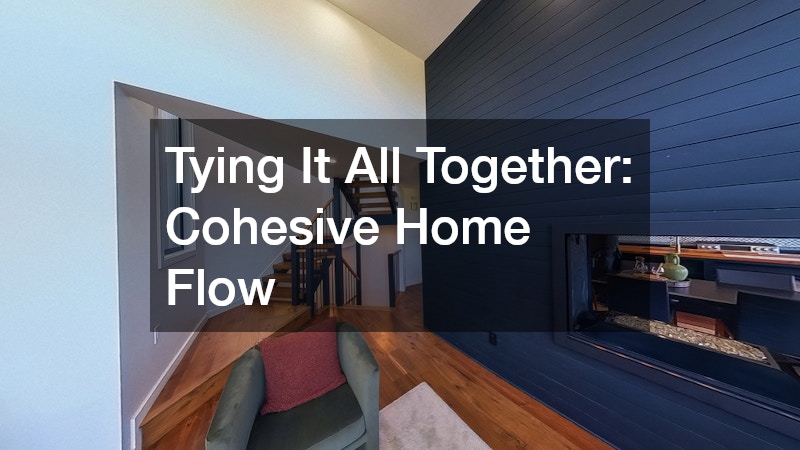
A common pitfall in residential design is treating each room as an isolated bubble. You might have a beautiful modern culinary space, a rustic bathroom, and a traditional living room. This disjointed approach creates visual jarring as you walk through the house. The pinnacle of true customization is achieving a unified, cohesive flow where the entire property speaks the same design language, even as individual rooms serve vastly different functions.
Establish a Unified Color Palette Across Transition Spaces
Cohesion does not mean making every room look exactly the same; it means establishing a continuous thread that ties the spaces together. The most effective way to achieve this is through a master color palette and deliberate finish coordination.
-
Applying the 60-30-10 Rule: This classic design principle is highly effective for whole-house cohesion. Choose a dominant color that will occupy roughly 60% of the visual space (usually neutral walls or foundational cabinetry), a secondary color for 30% of the space (furniture, secondary woodwork, or tile), and an accent color for 10% (art, hardware, or textiles). The secret to flow is carrying these same three colors throughout the house, but shifting their percentages in different rooms. For example, the dark charcoal that acts as a 10% accent color on the living room throw pillows might become the 60% dominant color on the cabinetry in the powder room.
-
Intentional Hardware Consistency: You do not need to use the exact same doorknob and drawer pull in every single room, but your finishes should relate to one another. Mixing metals is highly encouraged—such as pairing matte black plumbing fixtures with unlacquered brass cabinet hardware—but those two specific finishes should be consistently applied across the transition spaces, hallways, and adjoining rooms to prevent a chaotic, unplanned look.
-
Seamless Flooring Transitions: Nothing ruins the illusion of a grand, cohesive space faster than an awkward threshold or an abrupt change in flooring material between the hallway and the primary suite. Experienced remodelers will coordinate timelines and manage the difficult structural tasks required to ensure that flooring—whether it is wide-plank oak or large-format tile—transitions flawlessly and on a perfectly level plane from room to room.
Plan for Future Accessibility and Multi-Generational Living
True customization isn’t just about designing for who you are today; it is about intelligently anticipating what you will need ten, twenty, or thirty years from now. “Aging in place” or universal design is no longer synonymous with clinical, hospital-like aesthetics. Today, it is seamlessly integrated into high-end, contemporary architecture.
-
Invisible Universal Design: The most customized homes are integrating accessibility features that look entirely deliberate and stylish. Zero-entry (curbless) showers are incredibly modern and sleek, yet they remove the tripping hazard of a traditional shower curb. Replacing round doorknobs with chic, linear lever-style handles makes doors easier to open for hands with arthritis, while also looking highly contemporary. Widening doorways and hallways not only accommodates future mobility aids but immediately makes the entire house feel grander and more breathable.
-
Structural and Footprint Considerations: Often, achieving a truly accessible layout—such as adding a fully equipped primary suite to the ground floor of a two-story house to eliminate the need for stairs—requires expanding the physical footprint of the property. When major structural expansion is needed, working with custom home builders is the ideal route. They possess the necessary architectural expertise to navigate local zoning laws, pour new foundations, tie into existing rooflines, and ensure that the new addition looks like a native part of the original architecture rather than an awkward afterthought.
VII. Conclusion
The journey to elevating your living spaces requires a delicate, intentional balance. The most successful upgrades are those that perfectly marry jaw-dropping aesthetics with rigorous, unforgiving daily functionality. A room that looks beautiful in a photograph but frustrates you every time you try to cook a meal, get dressed, or prepare for bed is ultimately a design failure. By focusing deeply on layout optimization, durable material selection, and highly personalized storage solutions, you ensure that your environment works actively to support your lifestyle rather than hinder it.
It is also vital to remember the importance of pacing. Transforming your environment is a marathon, not a sprint. You do not have to tackle the culinary center, the wellness retreat, and the storage zones all at the exact same time. In fact, a well-planned, phased approach is often significantly more successful—and far less stressful—than rushing a chaotic whole-house overhaul. Taking the time to execute each zone with precision yields a much higher quality result in the end.
Before you swing a hammer or sign a contract, begin by aggressively decluttering your current spaces to reveal their true, underlying footprint. Take a realistic look at your finances to establish a firm budget, and spend time curating inspiration photos to distill your specific aesthetic preferences. Building this clear, communicable vision early on is the single most powerful step you can take. It empowers you to approach your transformation with confidence, ensuring that your home ultimately becomes the tailored, highly functional sanctuary you deserve.